
In almost every traditional Indian household, a subtle but stern warning echoes at the end of a meal: "Thali me haath mat dho!" (Do not wash your hands in the plate!). For generations, elders have swiftly stopped children and guests from pouring water over their empty thalis after finishing a meal. While modern observers might dismiss this as a simple rule of table manners, Indian folklore views it as a critical spiritual boundary—one where disrespecting food directly invites financial ruin.
The Divine Sanctity of Annam
To understand the depth of this taboo, one must look at the ancient Vedic view of food. In Hindu philosophy, food is not merely sustenance; it is venerated as Annam Brahma—a direct manifestation of the divine cosmos. The act of eating is treated as a Yajna (a sacred fire ritual), where the stomach receives offerings to sustain the soul.
The brass or steel plate (thali) that holds this food becomes a temporary altar. According to popular belief:
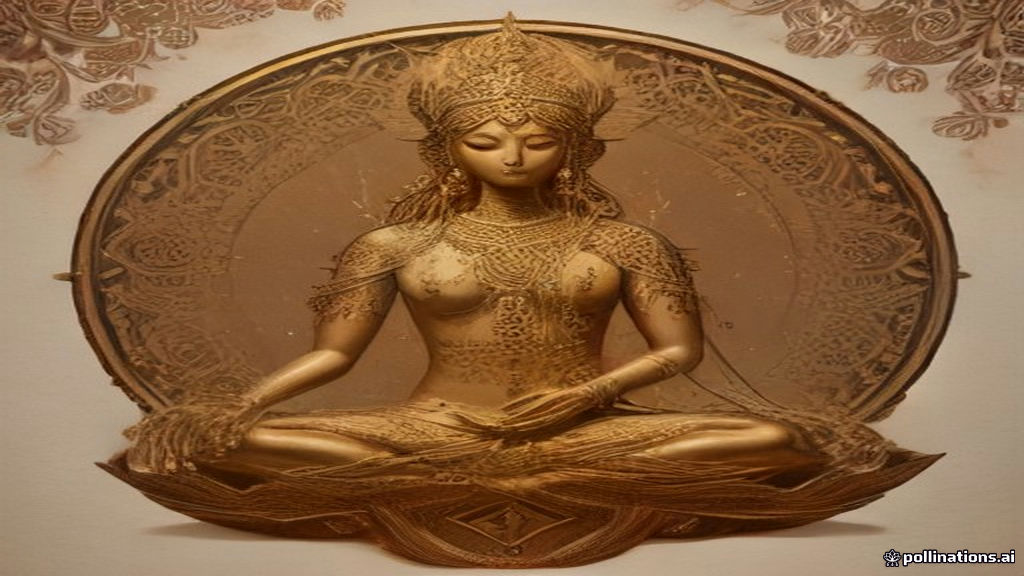
- Goddess Annapurna: As the deity of food and nourishment, she resides in every grain served on the thali.
- Goddess Lakshmi: As the deity of fortune and abundance, her presence is tied to how respectfully a family treats its sustenance.
The Spiritual Consequence: Inviting 'Daridrata'
When someone washes their hands directly inside the plate, water mixes with the remaining crumbs and smears across the surface. In folklore, this act turns pure, life-giving nourishment into Jhootha (soiled/unclean waste) while it is still on the sacred vessel.
Doing so sends a symbolic message of disdain to Goddess Annapurna, implying that the vessel of abundance is nothing more than a washbasin. It is believed that this act triggers the entry of Daridrata—the personification of poverty, debt, and perpetual scarcity. The belief holds that Goddess Lakshmi abandons homes where food and dining vessels are treated with such carelessness.
Practical Hygiene and Ancient Wisdom
Beyond the mystical realm, this tradition carries practical roots grounded in ancient Indian lifestyle and architecture:
- Preserving Floor Sanity: Historically, meals were consumed sitting on the floor on woven mats. Rinsing hands in a shallow metal plate caused dirty water to splash onto the clean dining area.
- Longevity of Utensils: Washing grease directly into metal plates without soap often left a persistent film and odor, making thorough cleaning harder later.
- Mindfulness and Gratitude: Stepping away to a designated washing area (or using a separate finger bowl) enforced a deliberate pause, encouraging diners to bow mentally in gratitude before leaving the table.
Next time you finish a hearty meal served on a traditional thali, remember the ancient wisdom lingering on its metal surface. Stepping away to rinse your hands is not just about keeping the floor clean—it is an age-old ritual of honoring the food that sustains you.